
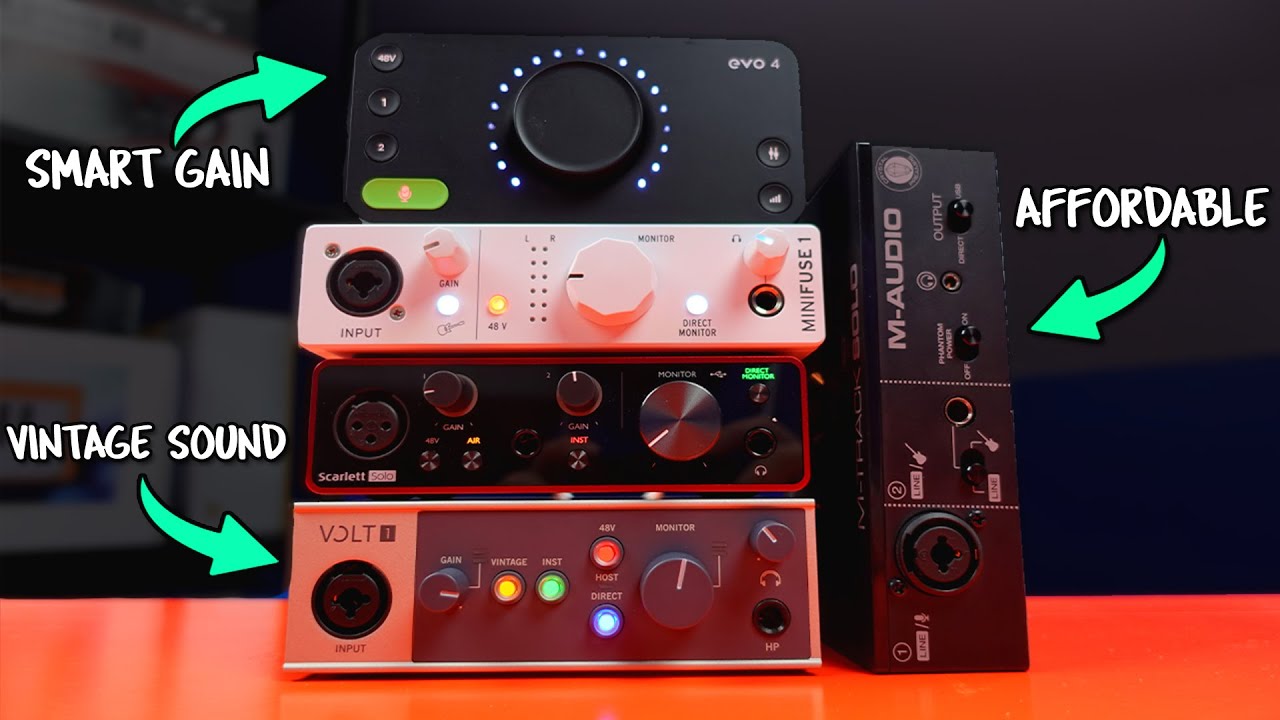
Best Audio Interface: A Comprehensive Guide
Choosing the best audio interface is crucial for capturing high-quality sound for music production, podcasts, or any audio recording needs. With a multitude of options available, it’s essential to understand what features contribute to the overall user experience and sound quality.
Understanding Audio Interfaces
Definition and Functionality
An audio interface serves as a bridge between your computer and audio sources, ensuring high-quality sound conversion. It transforms analog signals into digital format, enabling you to record and edit audio efficiently.
The importance of a reliable audio interface cannot be overstated, as it directly impacts the fidelity of your recordings. Many interfaces come equipped with built-in preamps, which amplify mic signals, ensuring clarity and depth.
When selecting the best audio interface, consider factors such as sample rate, bit depth, and latency. A higher sample rate allows for better frequency response, while low latency is crucial for real-time audio processing.
For further insight into audio interfaces, you can refer to comprehensive resources at Wikipedia.
Key Features to Consider
In your search for the best audio interface, certain features should be prioritized. Look for interfaces with multiple inputs and outputs to accommodate a variety of instruments and mics. This versatility is essential for recording bands or orchestras.
Another factor is the type of connectivity available. USB, Thunderbolt, and FireWire connections come with varying levels of speed and performance. A connection method that suits your workflow will enhance your recording process.
Additionally, software compatibility is vital. Ensure that the interface you select works seamlessly with your digital audio workstation (DAW). This compatibility guarantees an efficient setup and workflow.
Explore more about audio technology at ProSoundWeb.
Popular Brands and Models
When searching for the best audio interface, consider models from reputable brands such as Focusrite, Universal Audio, and PreSonus. The Focusrite Scarlett series is particularly known for its balance of price and performance.
The Universal Audio Apollo range offers high-end features with superior sound quality, catering to professional studios. These interfaces are highly regarded for their built-in DSP processing capabilities.
PreSonus interfaces are also popular among beginners for their user-friendly design and reliable performance. Their models provide excellent value, making them ideal for home studios.
For a broader look at audio hardware, visit Sound on Sound.
Why Invest in a Quality Audio Interface?
Sound Quality Enhancements
Investing in the best audio interface fundamentally upgrades your audio quality. The dedicated circuitry in quality interfaces reduces noise and distortion, providing clearer sounds.
High-quality AD/DA converters ensure that your recordings maintain the fidelity of the source material, capturing every nuance and detail. This is particularly important for music producers and audio engineers who strive for professional results.
Every musician or content creator will benefit from an interface that provides accurate sound representation. This accuracy fosters improved mixing and mastering processes, essential for quality audio production.
To understand the technical aspects of audio quality, you can check resources like Audioengine for in-depth knowledge.
Portability and Design
The design of an audio interface can greatly impact its usability. Many interfaces are now designed to be portable, facilitating on-the-go recording. This feature is ideal for musicians who travel frequently.
Compact interfaces with rugged designs can withstand the rigors of travel while still delivering high performance. The integration of MIDI ports further enhances their capabilities, allowing for easy connection to various musical instruments.
Ease of use is another crucial factor. Interfaces with intuitive layouts and well-placed controls are essential for smooth operation, especially for beginners.
If you want to explore compact options, resources like Gear Patrol may offer great insights into portable audio solutions.
Cost vs. Value
When evaluating the best audio interface, consider the balance between cost and value. While premium interfaces offer advanced features, many budget options provide excellent performance for new users.
It’s important to assess your specific needs before making a purchase. For example, a home studio may benefit from a model with multiple inputs, while mobile recording may only require a simpler setup.
Consider warranties and customer support as part of the value equation. Choosing brands that offer solid customer service can enhance trust in your investment.
For further comparisons on audio gear pricing, check platforms like Sweetwater.
Conclusion of Your Audio Interface Journey
Finding the best audio interface can significantly improve your audio recording experience. The right knowledge enables you to make informed decisions based on your unique requirements, ensuring that your audio projects resonate with clarity and professionalism.
Understanding the Importance of the Best Audio Interface
Best Audio Interface: Elevating Your Sound Experience
The Significance of Choosing the Best Audio Interface
Defining the Role of an Audio Interface
An audio interface is essential for musicians and sound engineers who seek to achieve professional sound quality. It converts analog signals into digital data, allowing instruments and microphones to connect with computers effectively. Understanding its function is pivotal in selecting the best audio interface for your needs.
Incorporating the right audio interface enhances your recording capabilities, enabling clearer and more dynamic audio output. This allows for better management of sound during the recording and mixing processes. A quality interface can significantly elevate your projects overall sound context.
Additionally, many audio interfaces come equipped with built-in preamps and converters that improve recording quality. This often leads to richer sound and enhances the fidelity of your recordings. Therefore, investing in the best audio interface is worthwhile for any serious audio professional.
Ultimately, understanding your requirements and the role of an audio interface can pave the way for informed choices that shape your artistic output. Relying on credible discussions about audio gear, such as those available on sites like Wikipedia, can further help refine your selection process.
Key Features of the Best Audio Interfaces
When considering the best audio interface, several crucial features should be taken into account. The number of inputs and outputs is paramount, as they determine how many instruments or microphones can be connected. This feature is essential for musicians working in collaborative environments.
Another significant aspect is latency, which affects how quickly audio signals are processed. Low latency is critical for live recording situations, where timing is key. Interfaces that boast minimal latency contribute to a more seamless recording experience.
Moreover, many modern audio interfaces now include MIDI connectivity, expanding their versatility. This feature allows users to connect various MIDI devices, enhancing overall workflow and creativity. Therefore, evaluating these features will help you choose the best audio interface for your creative endeavors.
For further insights into technological specifications, resources like iZotope provide extensive information on the latest models and what attributes to look for.
Price Range and Budget Considerations
The price of the best audio interface can vary significantly, depending on features and brand. Its essential to set a realistic budget that aligns with your recording needs. While higher-priced models often come with advanced features, it’s crucial to assess whether these features serve your purposes.
There are excellent budget options available that provide remarkable value without compromising quality. These interfaces can cater to entry-level users while still delivering professional results. Researching reviews and comparisons can guide you in finding the right cost-effective solution.
If youre a hobbyist or just starting, consider investing in an interface that meets basic demands first; upgrading can always be an option later on. This approach allows you to experience the benefits of an audio interface without feeling overwhelmed by a high initial investment.
Engaging with expert reviews from reputable sites can help demystify price points and features, ensuring that you make smart purchasing decisions. Consider looking into sources like MusicTech for comprehensive guides and budget suggestions.
Choosing Between USB vs. Thunderbolt Interfaces
USB Interfaces: Accessibility and Versatility
USB audio interfaces are among the most popular due to their widespread compatibility and user-friendly installation. They typically offer solid performance for most recording needs, making them an excellent choice for both beginners and professionals alike.
These devices facilitate connection to virtually any modern computer, which reduces the barriers to entry for aspiring musicians. Additionally, their affordability often makes them the top choice for entry-level users looking for their first best audio interface.
USB interfaces typically come in various designs, catering to different needs without sacrificing quality. However, ensuring that your chosen USB interface supports the latest technology can significantly affect performance, especially in professional settings.
For more technical distinctions, exploring curated lists on sites like Sweetwater can provide further clarity on product specifications and user experiences.
Thunderbolt Interfaces: Speed and Performance
Thunderbolt audio interfaces represent a step up in speed and data transfer capability. They are designed for high-demand audio professionals who need ultra-low latency and greater bandwidth. This makes them ideal for extensive recording setups and live performances.
While they may carry a higher price point, the performance benefits often justify the cost for serious users. The increased speed allows for real-time processing of complex audio sessions, which can make a substantial difference in professional settings.
However, it’s essential to ensure compatibility with your existing hardware, as Thunderbolt interfaces require specific ports and connectors. This compatibility consideration plays a critical role in determining whether investing in a Thunderbolt interface is a wise choice for your audio projects.
Consulting in-depth reviews and comparisons can provide insight into whether a Thunderbolt or USB option best suits your needs. Websites like Toms Hardware can supply detailed analyses of each types advantages and drawbacks.
Popular Models of the Best Audio Interfaces
User Reviews and Recommendations
Researching user reviews offers invaluable insight into what models are considered the best audio interfaces. Personal experiences can highlight notable advantages and any potential drawbacks of specific brands. Online communities often discuss features they find most beneficial, aiding in the decision-making process.
Popular models, such as the Focusrite Scarlett series and the PreSonus AudioBox, garner strong endorsements from users across various platforms. Their reliability and performance have made them favorites in both home studios and professional environments.
It is essential to assess what others are saying about these models before making a purchase. Many forums and music production platforms provide in-depth feedback about the interfaces, which will assist in evaluating their effectiveness in practical usage.
Check sources like Recording Revolution for compiled lists and user experiences tailored to various needs.
Comparing Features of Top Audio Interfaces
Evaluating the specifications of popular models helps uncover the best audio interfaces for varied recording scenarios. Some interfaces prioritize mic preamps while others emphasize digital converters or built-in effects. This array of features allows for flexibility tailored to individual projects.
The ability to compare inputs, outputs, and additional functionality like software packages can streamline your search process significantly. Manufacturers often provide comparison charts on their websites that are helpful for visualizing key differences between models.
Being armed with this knowledge informs a more strategic purchasing approach, ensuring you select a model that aligns closely with your requirements and workflow. Using comparison tools from trusted retail sites can facilitate this aspect of your research.
To explore further, consider visiting Gearank. Their filters often illuminate options most suitable for your specific production scenarios.
Expert Advice on Making Your Choice
Seeking expert advice can further refine your selection of the best audio interface. Many musicians and industry professionals share their insights through blogs, vlogs, and podcasts, providing a wealth of practical information and tips.
Listening to discussions about audio gear on platforms like YouTube or specialized podcasts can offer firsthand experiences and expert opinions. Experts can delve into subtle performance differences that may not be immediately apparent through written reviews.
Additionally, engaging with professionals in live forums or Q&038;A sessions can help clarify doubts and provide personalized recommendations based on unique setups or desired outcomes. Continuing education and research remain key to making informed decisions.
Ultimately, combining insights from professional advice with user experiences will empower you to discover the most suitable best audio interface for your audio projects.
Choosing the Right Best Audio Interface for Your Needs
Best Audio Interface: A Comprehensive Guide
In todays world of music production and sound engineering, choosing the best audio interface can significantly impact your workflow and the quality of your recordings. Understanding the features and specifications of these devices is crucial for both beginners and professionals.
Key Features to Consider in the Best Audio Interface
When searching for the best audio interface, several features define its quality. First, you should evaluate its input and output options. Interfaces vary in the number of inputs and outputs they offer, which can influence your ability to connect multiple instruments and microphones simultaneously.
Input Types and Quality
The type of inputs available—such as XLR, TRS, or MIDI—greatly affects the best audio interface choice. XLR inputs are essential for high-quality microphone connections, while MIDI inputs allow you to connect keyboards and other MIDI devices. Prioritize interfaces that provide high-resolution audio capture for the most professional sound.
Latency and Performance
Another critical aspect is latency. A low-latency best audio interface allows for real-time playback without noticeable delay. This feature is essential during recording sessions, particularly when musicians are performing together. Ensuring you select an interface with reliable drivers can also minimize latency and improve performance.
Build Quality and Portability
For those on the go, consider the build quality and portability of your chosen device. A durable and lightweight best audio interface facilitates easier travel. Many models are designed to withstand the rigors of studio and live environments while offering convenience for mobile setups.
Popular Brands of Best Audio Interfaces
Several brands are renowned for producing high-quality interfaces. Focusrite, PreSonus, and Universal Audio are just a few examples that consistently rank among the best audio interfaces. Each manufacturer offers unique features and price points, so understanding what works best for your needs is essential.
Focusrite Scarlett Series
The Focusrite Scarlett series is often recommended for beginners and professionals due to its user-friendly interface and high sound quality. The preamps in these models are exceptional, providing clear audio and low noise levels, making it one of the best audio interfaces available today.
PreSonus AudioBox
Another strong contender is the PreSonus AudioBox, known for its ruggedness and reliable performance. With USB connectivity and bundled software, it offers great value for those seeking an affordable, best audio interface option without sacrificing quality.
Universal Audio Apollo
The Universal Audio Apollo is revered in professional circles for its impressive real-time processing capabilities and high-quality conversions. While it comes at a higher price point, its performance can make it a top choice for serious musicians and producers looking for the best audio interface.
How to Connect and Set Up Your Best Audio Interface
Understanding how to connect and set up your best audio interface is crucial for optimal performance. Start by following the manufacturers instructions, carefully connecting your microphones or instruments to the appropriate inputs.
Driver Installation
Before using your new interface, ensure that you install the latest drivers from the manufacturers website. This is vital for compatibility with your operating system and software. Reliable drivers will ensure that your best audio interface functions efficiently without interruptions.
Software Configuration
Typically, digital audio workstations (DAWs) need to be configured to recognize the best audio interface. This configuration usually involves selecting the interface as the input and output device within the DAW settings. Follow these steps to get your system up and running smoothly.
Testing Your Setup
After installation, perform a test recording to verify that everything functions as expected. Make sure to adjust gain and monitoring levels to prevent distortion or undesirable latency. Your best audio interface should provide a clean signal for optimal recording.
For further insights on audio interfaces and their specifications, visit Wikipedia or explore articles on Sound on Sound.
Remember, finding the best audio interface often boils down to personal preference and specific needs, making it essential to evaluate multiple options to see which aligns with your unique requirements.
