
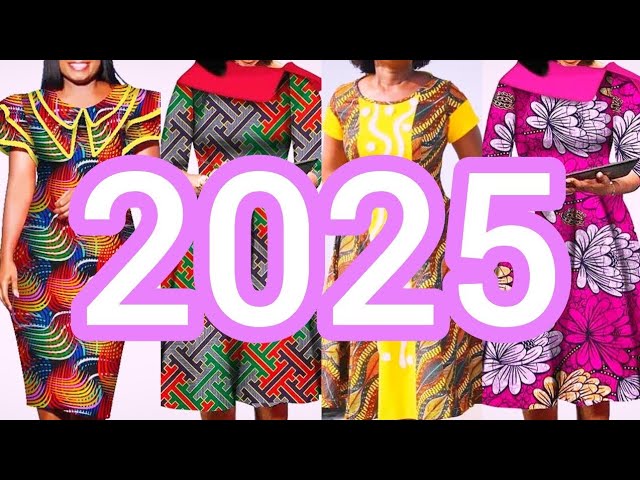
African Outfits for Females
African outfits for females encompass a rich tapestry of cultural heritage, style, and vibrant artistry. These garments reflect the diverse traditions of various African nations and provide a significant medium through which women express their identities. Acknowledging the beauty and functionality of these outfits is essential in appreciating their role within society.
Traditional African Garments
Traditional African outfits for females vary greatly across the continent, showcasing unique craftsmanship and cultural narratives. Each region has distinct styles, materials, and colors that embody its history and traditions.
One exemplary garment is the kente cloth, originating from the Ashanti people of Ghana. The colorful patterns not only signify social status but also convey significant stories through their designs.
Another notable style is the boubou, commonly worn in West African countries. This flowing robe, often paired with matching headwraps, offers both elegance and comfort for various occasions.
When exploring African outfits for females, it is essential to recognize the intricate beadwork and embroidery that enhance traditional garments, often representing familial lineage or regional identity.
The Impact of Modern Interpretations
Modern fashion has embraced traditional African styles, leading to a hybridization of outfits for females. Designers are creatively incorporating traditional prints and patterns into contemporary fashion, making them relevant on global runways.
High-profile fashion shows often feature these innovative adaptations, highlighting the beauty of incorporating heritage into modern design. This fusion maintains cultural integrity while reaching a broader audience.
Additionally, many celebrities and influencers are now promoting African outfits for females on social media platforms, which has contributed to their growing popularity around the world.
This resurgence not only supports local artisans but also empowers women to embrace their culture through fashion, thus fostering a sense of pride and identity.
Materials and Textiles in African Fashion
The textiles used in African outfits for females play a crucial role in their appeal. Common materials include cotton, silk, and local fibers like sisal, which contribute to the distinct aesthetics of each garment.
Cotton is widely favored for its breathability and comfort, making it ideal for warm climates. This fabric is often dyed using natural methods, resulting in vibrant colors and patterns.
Silk and synthetic blends are also increasingly seen in contemporary designs, enhancing the versatility of traditional outfits for women and allowing for varied styling options.
Understanding the significance of materials contributes to a deeper appreciation of these African outfits for females and their role in sustainable fashion practices.
Accessorizing African Outfits
Accessorizing plays a fundamental role in completing the look of African outfits for females. Vibrant accessories, such as beaded jewelry and intricate headwraps, are essential in enhancing personal style.
Headwraps, in particular, are symbolic and signify various meanings, from marital status to cultural identity. They are often crafted from the same fabric as the outfit to create a cohesive look.
Furthermore, the use of bold and colorful jewelry, made from locally sourced materials, allows women to express their creativity and individualism while paying homage to their cultural roots.
Improving the overall aesthetic through accessories is a celebrated aspect of wearing traditional African outfits for females, making it a dynamic form of self-expression.
Contemporary Styles and Trends
Today, contemporary African fashion is gaining recognition and influence in the global fashion industry. Designers are now showcasing their work at international fashion weeks, blending traditional aesthetics with modern silhouettes.
Fashion elements such as layered looks, asymmetrical cuts, and unique tailoring have all been influenced by traditional garments, making them more accessible to a broad audience.
Social media trends also foster the growth of new styles, allowing young women to explore innovative ways to wear their culture with pride. Fashion bloggers and influencers often introduce African outfits for females to a global netizen audience.
This shift towards modern interpretations presents opportunities for collaboration between traditional artisans and contemporary designers, creating sustainable job opportunities and promoting cultural appreciation.
Popular Fashion Shows and Events
Various fashion events around the world highlight African outfits for females, helping to amplify African influence in the global fashion landscape. Notable events include the Africa Fashion Week and Lagos Fashion Week, where designers present their innovative collections.
These platforms provide exposure for emerging designers while celebrating the rich fashion heritage of the continent. They foster an environment of creativity and collaboration among fashion enthusiasts.
Furthermore, successful designers often showcase their works in prestigious fashion weeks in cities such as Paris and New York, attracting a diverse audience and drawing attention to the artistry behind African fashion.
Viewers are encouraged to explore diverse collections featured at these events, as they offer insights into the growing acceptance and celebration of African styles worldwide.
Importance of Ethical Fashion
Ethical fashion is a significant aspect of contemporary African outfits for females. Many designers prioritize sustainable practices, such as sourcing materials locally and minimizing waste in their production processes.
This approach fosters economic development and empowers local communities, particularly women artisans who play a vital role in garment creation. By investing in ethical fashion, consumers contribute to preserving heritage and promoting fair trade.
Furthermore, ethical fashion encourages transparency within the supply chain, allowing consumers to make informed choices about the clothing they purchase. Understanding the origin of African outfits for females can enhance loyalty to brands committed to sustainability.
As the global community pivots toward ethical considerations, embracing African outfits with a conscious mindset becomes increasingly important in the evolving fashion narrative.
Where to Discover Authentic African Fashion
Exploring local markets is one of the best ways to discover authentic African outfits for females. Up-and-coming fashion designers often sell their creations directly at markets, providing customers with unique items and supporting the local economy.
Online platforms specializing in African fashion have also surged in popularity, allowing individuals worldwide to access stunning garments. Websites like African Fashion are dedicated to showcasing diverse styles, providing a convenient way to shop ethically.
Moreover, events and exhibitions frequently celebrate African fashion, offering workshops and seminars that educate participants about the significance of various outfits. Engaging in these experiences deepens one’s appreciation for the artistry involved.
In summary, discovering and supporting authentic African outfits for females can lead to a richer understanding of cultural narratives interwoven into the fashion world.
Frequently Asked Questions about African Outfits for Females
What is African outfits for females and how can it benefit me? African outfits encompass various styles deeply rooted in cultural history, offering benefits such as enhancing personal identity and supporting local economies through ethical practices.
These garments serve not just as clothing but also as a canvas for storytelling and cultural expression, making them a means of connecting individuals with their heritage.
By understanding and wearing these outfits, women can celebrate their identity while fostering an appreciation for the diversity of African culture.
In a world increasingly focused on sustainability and ethical consumption, wearing African outfits for females becomes a statement of pride and a way to give back to the community.
For further reading, visit Wikipedia: African Fashion for insights into the historical significance of African textile traditions, or explore Africa.com to stay updated with modern trends.
Types of African Outfits
African Outfits for Females
African outfits for females showcase a rich variety of colors, patterns, and styles that reflect the continents diverse cultures and traditions. These garments often represent significant cultural meanings while allowing individuals to express their personal style through unique textiles and designs.
Traditional Colors and Patterns in African Clothing
The Significance of Colors
Colors in african outfits for females are more than just aesthetic choices; they often carry deep cultural meanings. Each color symbolizes different aspects of life, such as fertility, strength, and mourning. For instance, vibrant reds and yellows symbolize celebration, while darker shades may represent sorrow.
In many cultures, the combination of colors can also indicate social status or community affiliation. Understanding these color significances can enhance an appreciation for african dresses and their cultural implications.
Moreover, specific regions are known for unique color preferences, reflective of local resources and traditions. Ethnic groups often take pride in their color choices, reinforcing cultural identity.
This attention to color makes african outfits for females not only visually stunning but also a profound expression of the wearer’s heritage.
Beautiful Patterns
The patterns in african outfits for females often tell stories of their own. Many garments feature intricate designs that represent historical events, spiritual beliefs, or everyday life. These patterns are usually derived from indigenous art forms and are enhanced with modern interpretations.
Common patterns include geometric shapes, florals, and symbolic motifs that signify unity and connection to ancestors. Such designs are not just for decoration; they carry stories and values that resonate within the community.
Additionally, the resurgence of traditional weaving techniques has led to the revival of these patterns, allowing younger generations to learn and appreciate their heritage. Wearing these outfits becomes an act of cultural pride.
Fashion designers are now incorporating these traditional patterns into contemporary styles, bridging the gap between heritage and modernity in african attire for women.
The Role of Fabrics
Fabric choice is crucial when it comes to african outfits for females. Traditional textiles such as Kente, Ankara, and batik are popular choices due to their vibrant colors and unique textures. Each fabric has its own historical significance and usage across different regions.
Kente cloth, for example, is woven by the Akan people of Ghana and is known for its multicolored patterns that symbolize proverbs and historical events. Wearing Kente is a way to honor this rich heritage.
Moreover, with the rise of fashion sustainability, many designers are leaning towards organic and locally-sourced materials. This not only supports local economies but also contributes to environmental preservation.
The choice of fabric significantly impacts the overall look and feel of african clothing for women, allowing for both traditional wear and modern adaptations that cater to a global audience.
Modern Adaptations of African Fashion
In recent years, there has been a noticeable shift towards integrating traditional African styles with contemporary fashion trends. This fusion results in unique, modern outfits that boast the vibrancy of african outfits for females while appealing to a wider audience.
Designers are blending traditional silhouettes with modern cuts, creating garments that are suitable for various occasions, from casual outings to formal events. This adaptability is a testament to the versatility of african dresses for women.
This innovation allows young African fashionistas to express their identities while retaining cultural heritage, leading to a renaissance in African fashion. As a result, african outfits for females have gained international visibility, captivating global fashion markets.
Through events like African Fashion Week, designers are showcasing these modern adaptations, making them more accessible to international audiences.
Celebrity Influence on African Fashion
Celebrity endorsements have played a significant role in popularizing african outfits for females. Icons like Lupita Nyongo and Beyoncé frequently wear African designers, shining a spotlight on traditional garments and their modern adaptations.
Such high-profile appearances have inspired many followers to explore traditional styles, further boosting the demand for authentic African clothing. This visibility is crucial in creating a platform for emerging designers within the African fashion industry.
Social media has also accelerated this trend, with platforms like Instagram showcasing a plethora of styles and designs worldwide. Influencers often promote the beauty of African textiles, fostering appreciation for the craftsmanship behind these garments.
This celebrity influence not only increases the visibility of african fashion for women but also helps to redefine narratives around African culture and identity.
Fashion and Cultural Identity
The connection between fashion and cultural identity is profoundly illustrated through african outfits for females. Wearing traditional garments extends beyond mere clothing; it is an expression of pride and identity. Outfits vary significantly from one region to another, with each style serving as a mark of belonging.
Understanding the cultural significance of different styles empowers women to embrace their heritage confidently. Furthermore, this embrace fosters a sense of community among women who share similar backgrounds and values.
Moreover, the resurgence of interest in African fashion is empowering women globally, promoting confidence and self-expression through unique styles. Such empowerment reinforces the importance of african clothing for women as a vital aspect of cultural heritage.
Engagement with traditional styles encourages both women and men to appreciate their backgrounds and history, enriching their contemporary lives.
Where to Buy African Outfits for Females
Local Markets and Boutiques
Exploring local markets and boutiques offers the best way to discover authentic african outfits for females. Many cities with significant African communities host vibrant markets where artisans showcase handmade garments, often at reasonable prices.
Shopping locally not only supports small businesses but also provides unique opportunities to interact with the designers or artists behind the clothing. This personal connection can offer insights into the significance and making of the pieces.
In addition to physical markets, many online stores are dedicated to fair trade practices, ensuring that artisans receive fair compensation. Purchasing from these platforms allows customers to support communities while acquiring beautiful african apparel for women.
Moreover, it helps create sustainable fashion practices, contributing to the long-term well-being of artisans and their families.
Online Retailers
Many online retailers specialize in african outfits for females, providing a vast selection of styles from various regions of Africa. Websites dedicated to selling African fashion often highlight traditional textiles and modern designs, making it easier for enthusiasts to shop from anywhere in the world.
These platforms frequently collaborate with local designers, ensuring authenticity and preserving artisans crafts. Many online stores prioritize ethical practices, further emphasizing the importance of supporting African culture.
Additionally, shopping online offers convenience and access to a broader range of sizes, styles, and price points, catering to various preferences and budgets.
Online boutiques also provide detailed information regarding cultural significance, allowing consumers to appreciate the stories behind their garments.
Custom Made African Outfits
For fashion enthusiasts looking for something unique, many tailors specialize in creating custom african outfits for females. By collaborating with a tailor, customers can choose designs, fabrics, and colors that resonate personally, leading to a one-of-a-kind piece.
Custom tailoring allows for personalization in terms of fit and style, ensuring that each outfit is perfect for the wearer. This process not only highlights personal creativity but also supports local artisans skilled in traditional craftsmanship.
Working with a tailor provides an opportunity to learn about the techniques and stories embedded in the designs. This enhances the connection between the wearer and their outfit, making it a treasured addition to one’s wardrobe.
Moreover, this approach to fashion underscores the value of handmade clothing, promoting slow fashion concepts that contrast with the fast fashion industry.
For more insights into African fashion and its cultural relevance, you can refer to Wikipedia on African Clothing and explore different styles and their meanings. Visit specialized sites like African Fashion Art for current trends and designer inspirations.
For an in-depth perspective on textile traditions, check Wikipedia on African Textiles to appreciate the evolution and significance of these crafts.
Finding the Perfect African Outfits
African Outfits for Females
African outfits for females are not just garments; they embody the rich culture, history, and diversity of the African continent. Often vibrant, these outfits reflect tradition and modernity, promoting a sense of identity and pride. In this article, we explore the different aspects and variations of these striking ensembles.
1. Traditional Attire: Capturing Heritage
Distinct Styles and Patterns
Traditional African outfits for females are known for their unique styles and eye-catching patterns. Each region boasts its own distinctiveness, influenced by tribal traditions and local resources. From the kanga of East Africa to the boubou of West Africa, every piece tells a story tied to heritage.
One common characteristic is the use of bold colors and creative prints, often made from local fabrics. The vibrant hues signify various meanings, spanning from celebrations to mourning. This rich symbolism adds depth to the cultural significance of traditional African outfits for females.
Designers and tailors are continually evolving these traditional pieces, incorporating contemporary fashion elements. This fusion not only attracts younger generations but also attracts international attention to authentic African fashion. Explore more about African clothing to understand its evolution.
Fashion shows featuring traditional attire have gained prominence, showcasing the beauty and artistry involved in crafting these garments, further emphasizing their relevance in todays society.
Materials and Craftsmanship
The materials used in crafting African outfits for females vary significantly across regions. Cotton, silk, and various textiles are commonly adopted, with artisans integrating intricate beadwork or embroidery to enhance their aesthetic appeal. This craftsmanship often requires months of work, emphasizing the dedication and skill involved.
Many women in Africa engage in this artisanal activity, preserving age-old practices while generating income through their craft. As a result, these outfits represent not just a fashion choice, but a support system for local economies and sustainability.
With the global rise in ethical fashion, there is a growing interest in acquiring these handcrafted pieces. Consumers today seek transparency and value craftsmanship synonymous with traditional African outfits for females.
Incorporating local materials also fosters environmental sustainability, as artisans are motivated to use resources available in their immediate surroundings, promoting eco-friendly practices.
Modern Interpretations: The New Wave
Modern interpretations of African outfits for females blend traditional styles with contemporary designs to cater to global fashion trends. Designers are reinventing authentic garments to fit modern silhouettes without losing their cultural roots.
This approach has resulted in a new global appreciation for African fashion, inspiring collaborations with renowned international brands. Such teamwork helps bridge cultural gaps while promoting African artistry on the global stage.
Social media platforms have amplified the reach of these modern designs, with influencers showcasing how traditional styles can be worn in day-to-day settings. This exposure empowers women to proudly wear their heritage in a contemporary context.
The fusion of technology and fashion has catalyzed a resurgence in interest, allowing young designers to innovate while remaining rooted in their cultural heritage.
2. Everyday Wear: Infusing Comfort with Style
Casual African Attire
The concept of African outfits for females transcends formal occasions, finding its way into daily wear. Casual attire often combines comfort with beautiful designs, enabling women to express themselves effortlessly.
Items such as dashikis and maxi dresses reflect both style and functionality while embracing traditional elements. Made from breathable fabrics, these outfits are perfect for a variety of settings, from marketplaces to social gatherings.
Layering is a popular technique with casual African outfits for females. Women combine different garments to create unique looks, showcasing their individual style while remaining comfortable.
This balance of aesthetics and practicality enhances the appeal of everyday African fashion, making it accessible and versatile for all occasions.
Accessorizing: Finishing Touches
Accessories play a crucial role in enhancing African outfits for females. From elaborate bead necklaces to colorful headwraps, these pieces complete a look, adding personal flair. The art of accessorizing often reflects cultural significance, with specific styles representing different tribes.
Handmade earrings and bracelets echo traditional craftsmanship while providing a modern twist, inviting admiration from global fashion enthusiasts. As trends evolve, these accessories adapt, allowing for creative expression.
Mixing traditional and contemporary accessories has sparked an exciting fashion revolution among young women. This creative freedom promotes self-expression, encouraging individuals to curate their personal style.
Moreover, embracing local artisans by purchasing handmade accessories supports sustainable practices, further encouraging the appreciation of African art.
Inclusivity in Modern African Fashion
Modern African fashion is becoming increasingly inclusive, catering to diverse body types and personal styles. The growing demand for inclusive design has prompted designers to create lines that celebrate all forms and sizes in African outfits for females.
Various brands are championing body positivity through collections that honor their roots while embracing diversity. This shift is essential in fostering a sense of belonging and acceptance among women.
The push for inclusivity is also reflected in the marketing of these outfits. Social media channels feature a diverse range of models, representing varied backgrounds and aesthetics, allowing more women to see themselves in African outfits for females.
This evolution in representation highlights the progressive nature of the African fashion industry, emphasizing a commitment to celebrate beauty in all forms.
3. Paying Homage to Diversity: Regional Variations
Regional Influences on Fashion
African outfits for females exhibit tremendous diversity influenced by geography, culture, and climate. Each region, from the deserts of Sahara to the lush forests of Central Africa, inspires unique fashion styles and materials.
For example, the shweshwe fabric is iconic in South Africa, characterized by its intricate patterns and use in traditional dresses. In contrast, West African fashion heavily features ankara and kente patterns, known for their vibrant colors.
Such regional influences significantly affect the choice of fabrics, styles, and accessories. Designers often celebrate these unique characteristics within their collections, thereby reinforcing the identity of African culture.
Understanding these regional distinctions is important for appreciating the vast array of African outfits for females and recognizing the craftsmanship involved in each garment.
Influences from Global Trends
The interaction between African fashion and global trends has fostered innovative styles, merging traditions with contemporary aesthetics. Notably, globally renowned designers are beginning to incorporate African fabric and styles into their collections.
This melding has revolutionized the perception of African outfits for females, attracting global attention and admiration. Many African designers now participate in international fashion weeks, showcasing their creative interpretations to a broader audience.
The cross-pollination of ideas leads to the creation of hybrid pieces that respect traditional origins while appealing to modern tastes. This dynamic contributes to the evolution and survival of cultural garments.
Consequently, women worldwide are increasingly drawn to the beauty of African fashion, recognizing its significance and artistry.
Celebrating Festivities through Fashion
During cultural festivals, traditional African outfits for females come alive, showcasing colors and styles that embody the spirit of celebration. Ceremonies, weddings, and other significant events often feature elaborate costumes adorned with symbols of identity and heritage.
The vibrancy of fabrics is often complemented with accessories that reflect the rich cultural backgrounds of the attendees. These outfits honor communal ties and often reflect the shared values of the community.
For instance, traditional weddings frequently showcase specific attire designated for brides that symbolize unity and prosperity. Such garments are often passed down through generations, serving as links to ancestry.
These fashion moments during celebrations emphasize the unifying power of African outfits for females, allowing women to express joy while connecting with their roots.
4. Global Impact: The Reach of African Fashion
Fashion Weeks and Events
African fashion has gained international acclaim, particularly during various fashion weeks and events dedicated to its unique styles. Events such as AFWL (African Fashion Week London) and New York Fashion Week increasingly feature African designers, exposing global audiences to vibrant collections.
Such platforms not only highlight innovative designs but also promote the narratives behind these creations, emphasizing the stories of the cultures they represent. This global exposure helps raise awareness about the importance of keeping traditional textiles alive in modern fashion.
Through these events, many upcoming artists get opportunities to showcase their talent, encouraging fresh perspectives in the fashion industry. The spotlight on African fashion creates a ripple effect, inspiring women to embrace African outfits for females with pride.
Attendees of these events also engage in discussions about sustainability and ethics in fashion, advocating for responsible practices across the industry.
Influencer Culture and Social Media
The influence of social media cannot be overstated in promoting African outfits for females. Social media platforms serve as an essential tool for African designers and fashionistas to showcase their creations and share styling tips.
Instagram, in particular, allows users to explore various fashion inspirations, while platforms like TikTok enable dynamic fashion showcases. This creates a community of fashion lovers excited to celebrate African culture.
Fashion influencers utilizing their platforms aim to redefine beauty standards, promoting diversity and inclusivity in their styling choices. The result is a powerful movement that has connected people from different backgrounds, fostering appreciation for African attire.
Through influencers, young women discover the beauty and versatility of African outfits for females, encouraging them to embrace their unique heritage.
Empowerment through Fashion
The rise of African outfits for females has also become a tool for empowerment. Wearing these outfits is a statement of identity and pride for many women, promoting confidence and self-expression.
As women reclaim their heritage through fashion, they are influencing others and creating a positive ripple effect within their communities. Empowerment is further enhanced through initiatives focusing on supporting women-owned businesses in the fashion sector.
Women launching their brands often prioritize originality and cultural representation, contributing to local economies and providing job opportunities. This entrepreneurial spirit helps elevate the status of women in various societies.
By responding to the interest in African fashion and emphasizing the importance of cultural roots, women are shaping the narrative around African identity in the global marketplace.
